Author:
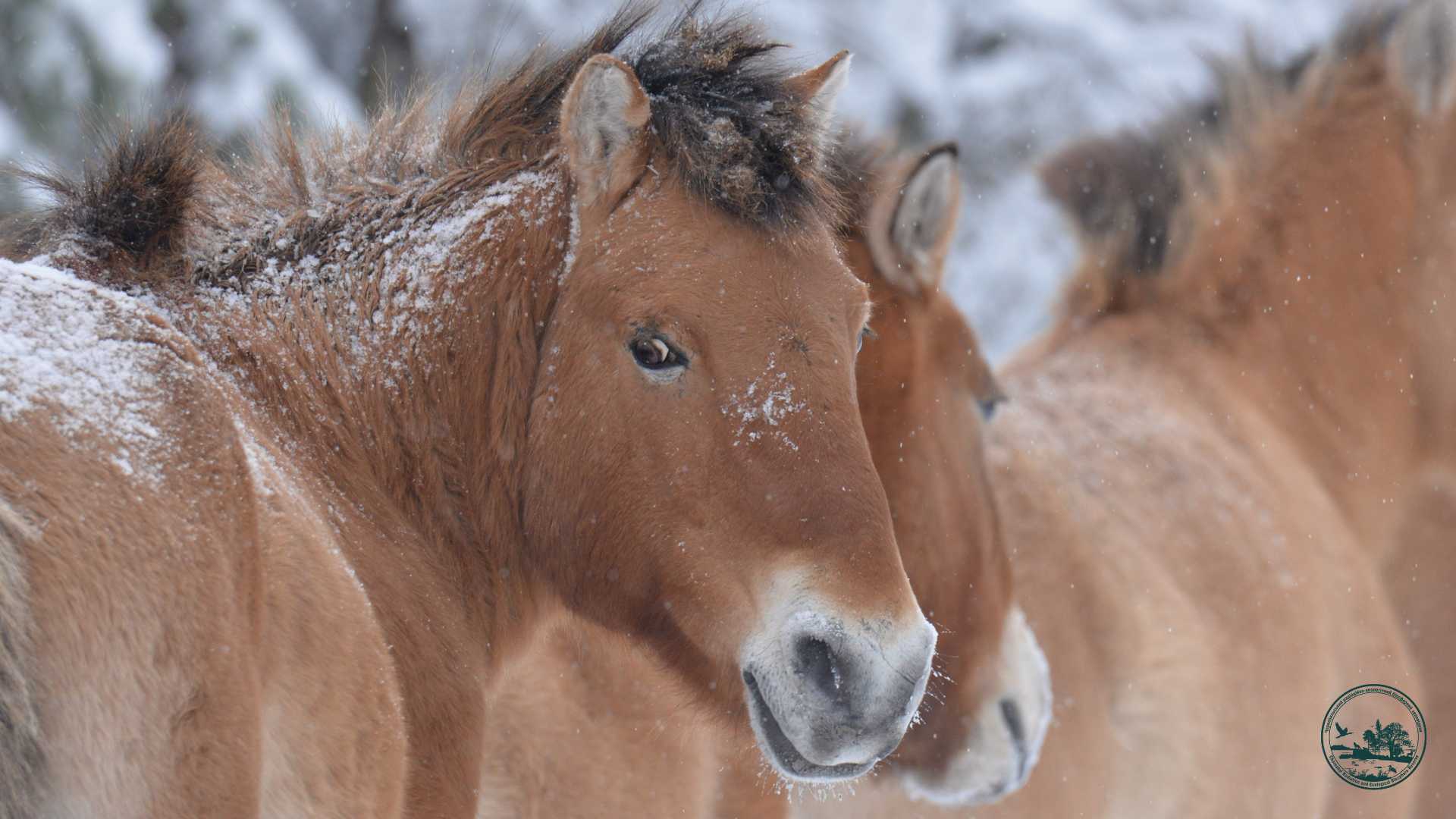
- Photography exhibition: Chornobyl Radiation and Ecological Biosphere Reserve - a place where nature became itself again
- Location: EUI Library, Stockholm meeting room and top floor.
- Dates: 29 April to 30 May 2026
For many people around the world, Chornobyl is synonymous with the 1986 nuclear disaster. Yet no place should be defined by a single event. While the catastrophe remains an inseparable part of Chornobyl's history, it is only one chapter in the story of a place that existed long before 1986 and continues to evolve today. This exhibition invites visitors to look beyond the disaster and rediscover Chornobyl through its landscapes, biodiversity, and ongoing ecological transformation.
The exhibition features a selection of photographic reproductions from the Chornobyl Exclusion Zone, shared with kind permission of the Chornobyl Nature Reservation The images have been selected by Olena Snigyr, Jean Monnet Fellow at the Robert Schuman Centre for Advanced Studies, to complement the seminar Learning from Chornobyl? Past, present and future, in which she is a speaker.
The photographs offer a visual perspective on landscapes shaped by environmental catastrophe, long-term exclusion, and unexpected ecological transformation. They invite reflection on the complex relationship between human intervention, environmental disruption, and natural recovery in post-disaster contexts.
Background by Olena Snigyr
Chornobyl entered my memory on April 28, 1986 - the day television news first reported the accident at the Chornobyl Nuclear Power Plant (April 26, 1986). Children do not understand the news, but they understand the reactions of adults. My parents were deeply frightened and took me out of Kyiv the very next day.
When I returned home in the autumn, the rules of life had changed. We were told not to touch leaves or grass, not to walk on unpaved paths - nature had suddenly become a source of danger.
Chornobyl became a symbol of disaster, of human short-sightedness and wrongdoing. At the same time, it became a symbol of human heroism and sacrifice. But this combination does not resolve the central question: can our existence on this planet be anything other than catastrophic? Do we, as humans, have a future?
Sometime around 2018, I came across photos of wild horses in Chornobyl on Facebook. They were strikingly beautiful. I had read about this experiment before, but seeing it made it feel almost miraculous.
Przewalski’s horses were brought to the Chornobyl Exclusion Zone in 1998, when it became clear that this abandoned territory could become a new home for them. Without a constant human presence, nature began to recover on its own, creating favourable conditions for wild animals. The idea was simple: to help preserve a rare species that had nearly disappeared in the wild, and at the same time to observe how it would live and adapt in such an environment. The horses also play an ecological role - by grazing, they help maintain open landscapes and reduce the risk of wildfires. The experiment proved successful, and today a wild population lives in the zone.
This is how I discovered the Chornobyl Radiation and Ecological Biosphere Reserve, established in 2016 and covering more than 200,000 hectares. Since then, their Facebook page has been one of my favourites.
The reserve was created to preserve the natural landscapes of Polissia, maintain the Exclusion Zone as a protective barrier, restore the water balance, gradually rehabilitate radiation-contaminated territories, and conduct scientific research.
Simply put, the reserve was created so that nature could do its work.
Today, at least 46 rare plant species and 75 rare animal species listed in the Red Book of Ukraine have been recorded there.
But when I look at photos of animals and plants from the reserve and read about them, I see people - the ones who live and work there. They track animal behaviour, study forests without human interference, take water samples from the Pripyat River, analyse ecosystems, cooperate with international colleagues, and share their knowledge.
Their deep love of life and passion for science can be felt through their images and texts. And that is precisely what gives hope that we might still have a good future.
You can also explore a curated selection of EUI Library resources on this topic, selected by Olena Snigyr.