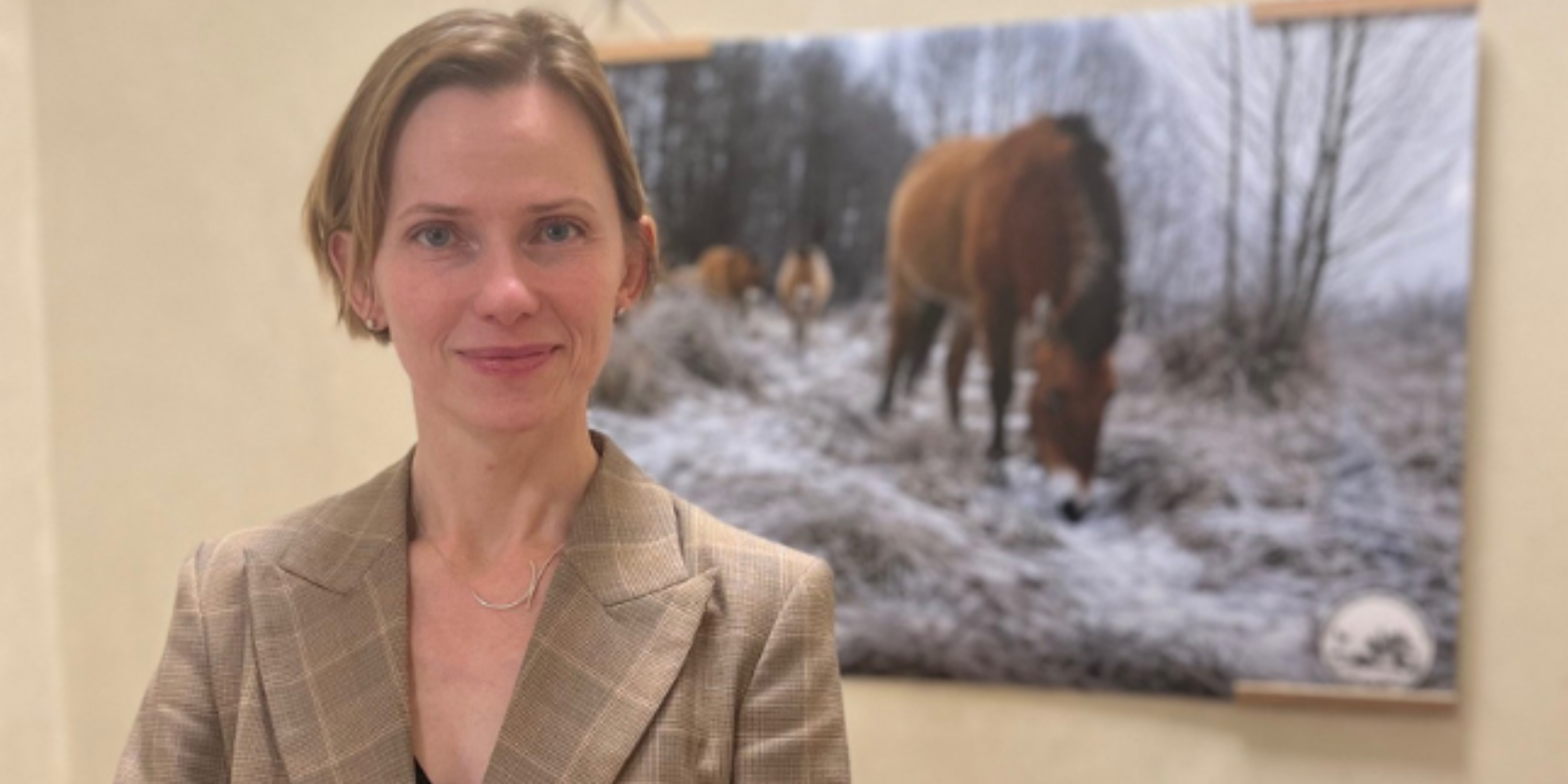
Author:

- Exhibition title: Chornobyl Radiation and Ecological Biosphere Reserve - a place where nature became itself again
- Associated event: Learning from Chornobyl? Past, present and future
- About the researcher: Olena Snigyr, Jean Monnet Fellow, Robert Schuman Centre for Advanced Studies
- Exhibition dates: 29 April to 30 May 2026
- Location: EUI Library, Stockholm room, first floor and top floor, and book display at the EUI Library entrance
Overview
Conceived for the seminar Learning from Chornobyl? Past, present and future, marking the 40th anniversary of the disaster, this exhibition shifts attention from catastrophe and nuclear crimes to the Reserve: a place where nature reclaims space, and where scientific work, ecological recovery, resilience and fragile hope become visible.
Exhibition concept
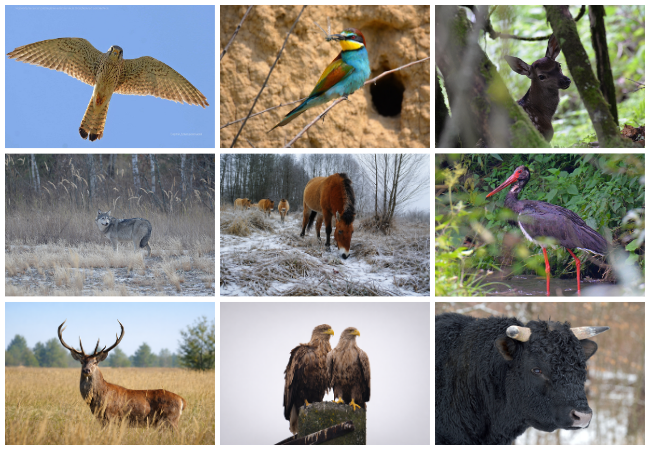
The exhibition invites viewers to look beyond Chornobyl as a site of catastrophe alone. Forty years later, the destroyed nuclear plant, radioactive contamination, human loss, and the continuing work of nuclear safety, monitoring and research remain part of its reality. Russia’s war against Ukraine has added a new and disturbing dimension, exposing once again how vulnerable nuclear sites are to human negligence, aggression and irresponsibility. Yet Chornobyl is also a place that existed before the disaster and continues beyond it. Through photographs from the Reserve, the exhibition shows another Chornobyl: a landscape of scientific observation, ecological recovery and fragile hope, where nature returns.
Research context
The exhibition connects environmental history with contemporary security concerns. It complements research on the Chornobyl nuclear disaster and its consequences by bringing together the legacy of the 1986 catastrophe, the present-day risks created by Russia’s war against Ukraine, and broader questions of human responsibility, ecological resilience and the future of post-disaster spaces.
Access the Seminar recording and follow up EUIdeas article.
Browse and borrow from a curated selection of books by from the EUI Collection for this event.
Development
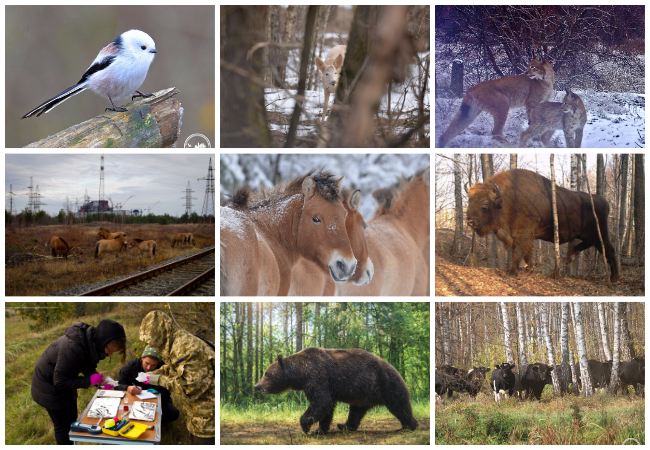
The exhibition was developed alongside the seminar Learning from Chornobyl? Past, present and future, held at the EUI on the 40th anniversary of the 1986 accident. The photographs were selected from materials shared by the Chornobyl Radiation and Ecological Biosphere Reserve, with attention to images that show both wildlife and the scientific work of preserving and studying the area.
Inspiration for the exhibition
The exhibition was inspired by the striking images of wild life in the Chornobyl Exclusion Zone, and by the work of scientists and reserve staff who study and protect this landscape.
I chose this topic because Chornobyl is part of my own memory of childhood in Kyiv, and because the site still raises urgent questions about disaster, responsibility, regeneration and the future.
The photographs of Przewalski's horses are particularly important. Introduced in 1998, they became one of the strongest signs that the abandoned zone could also become a refuge for rare species.
The exhibition is intended for the EUI community and visitors interested in Ukraine, environmental history, memory, nuclear safety, war, ecology and the relationship between human societies and nature.
Key message
Chornobyl remains a warning about human failure, but also a reminder that nature can recover when given space, time and protection - and when people choose to protect it.
Acknowledgements
Sincere thanks to the Chornobyl Radiation and Ecological Biosphere Reserve for permission to use the photographs, and to the EUI Library team for supporting the exhibition and preparing the curated book display.